







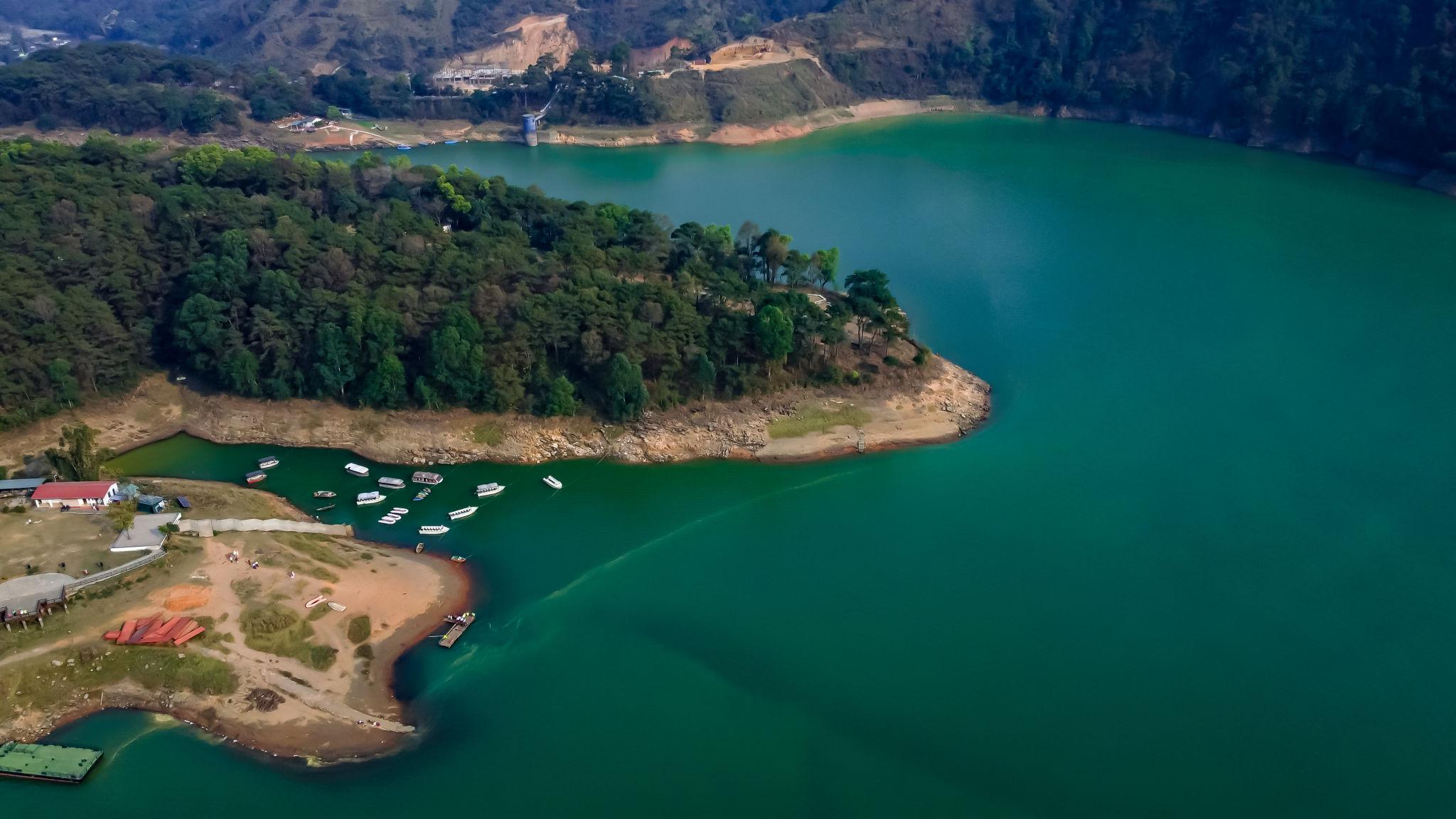
Discover Umiam Lake (Barapani) in Meghalaya—where serene waters meet ancient Khasi legends. Explore its history, myths, beauty, and travel guide in this captivating blog.
Just a short drive from the bustling city of Shillong, lies a vast, tranquil expanse of water known as Umiam Lake—or Barapani, as it is fondly called by locals.
To the casual traveler, Umiam Lake is a picturesque reservoir framed by rolling hills and drifting clouds. But beneath its calm surface lies a deeper story—one shaped by history, whispered through myth, and carried forward by the people of the Khasi Hills.
This is not just a lake. It is a story waiting to be heard.

The Origin of Umiam: A Tear from the Divine
The name Umiam itself holds the first clue to its mythical origin. In the Khasi language, “Umiam” translates to “water of tears.”
According to ancient Khasi folklore, two divine sisters once descended from the heavens to explore the beauty of the earth. As they wandered through the lush hills of Meghalaya, they were captivated by the land’s serenity.
But during their journey, one of the sisters lost her way.
Separated and filled with sorrow, she wept endlessly. Her tears flowed across the valleys, gathering into a vast body of water—what we now know as Umiam Lake.
When the sisters were finally reunited, the lake remained—a silent reminder of loss, love, and reunion.
Even today, locals believe that the mist rising from the lake at dawn is the lingering breath of that ancient sorrow.
A Lake Shaped by History: From River to Reservoir
While myth gives Umiam its soul, history gives it form.
The lake as we see it today was created in the 1960s with the construction of the Umiam Dam—one of the earliest hydroelectric projects in Northeast India. Built to generate power and support regional development, the dam transformed the Umiam River into a vast reservoir.
What makes Umiam unique is how seamlessly this man-made structure blends with nature. Over time, the surrounding forests, hills, and skies embraced the lake, turning it into one of Meghalaya’s most iconic landscapes.
Unlike many reservoirs, Umiam does not feel artificial. It feels ancient—as if it has always belonged.

The Changing Moods of Umiam Lake
Umiam Lake is not static—it is alive with changing moods.
-
At dawn, the lake is wrapped in mist, soft and dreamlike
-
By noon, it reflects the sky in brilliant shades of blue
-
At sunset, it turns golden, as if touched by fire
-
At night, it becomes a mirror of silence
Locals often say that the lake reflects not just the sky, but the emotions of those who visit it.
It is a place where time slows down, where conversations soften, and where even silence feels meaningful.



Post a comment