




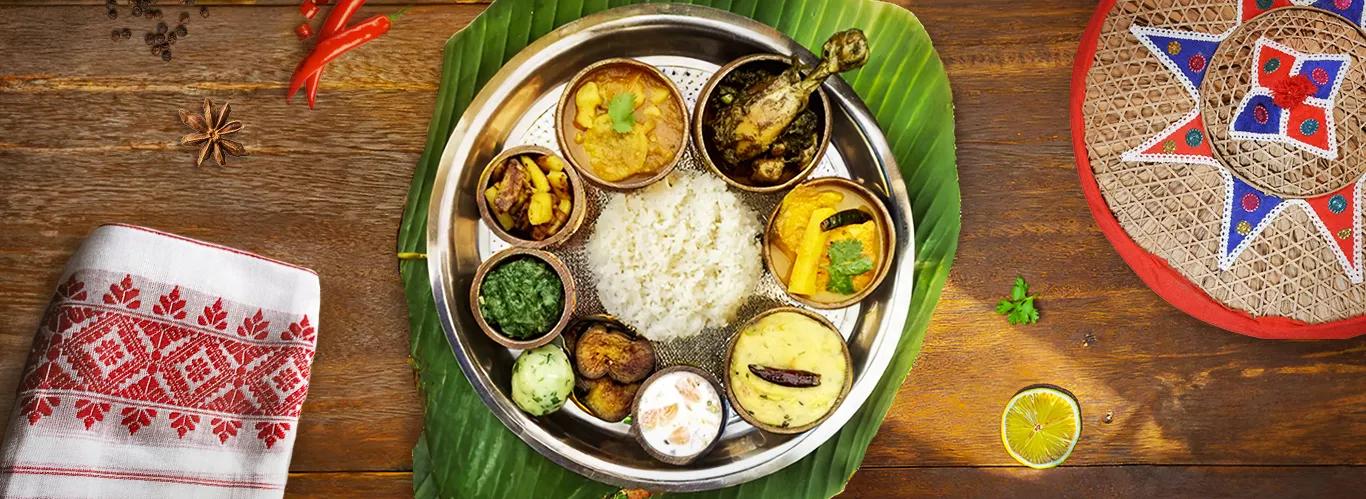
Assamese cuisine is a delicate balance of simplicity, nutrition, and deep-rooted tradition. From the unique alkaline dish Khar to the refreshing sour fish curry Masor Tenga, the food culture of Assam reflects its geography, tribal heritage, and sustainable way of living.
In a world obsessed with heavy spices and rich gravies, the food culture of Assam quietly stands apart—simple, subtle, yet deeply soulful. Imagine a cuisine where flavors are not masked but revealed, where a dish made from banana peel ash can define an entire culinary identity. From the earthy taste of Khar to the refreshing tang of Masor Tenga, Assamese food is not just about eating—it’s about balance, nature, and tradition. It tells a story of rivers, fields, and communities that have perfected the art of minimalism in cooking.
Cultural Background
The food culture of Assam is deeply influenced by its geography, climate, and diverse ethnic communities. Nestled in the fertile plains of the Brahmaputra Valley, Assam is blessed with abundant water resources, lush greenery, and a climate that supports rice cultivation, fishing, and organic farming.

Assamese cuisine has evolved through centuries, shaped by indigenous tribes like the Bodos, Mishings, and Ahoms, along with influences from neighboring regions. Unlike many Indian cuisines, Assamese food avoids excessive use of oil and spices. Instead, it focuses on enhancing the natural flavors of ingredients.
Food in Assam is not just sustenance—it is an integral part of social and cultural life. Festivals like Bihu bring families together over traditional feasts featuring rice cakes (pitha), curd, jaggery, and fresh harvest produce.
The cuisine also reflects a sustainable lifestyle. Locally sourced ingredients, seasonal vegetables, and traditional preservation methods are central to Assamese cooking. Fish from rivers, duck meat, and leafy greens are staples, while fermentation and drying techniques are used to extend shelf life.
At its core, Assamese food represents harmony—between taste and health, tradition and nature, simplicity and depth.
Key Ingredients
The uniqueness of Assamese cuisine lies in its ingredients—fresh, local, and deeply connected to the land.
Rice is the staple food, consumed in various forms throughout the day. Different varieties of rice, including sticky rice and joha (aromatic rice), are widely used. Fish is another essential component, thanks to the abundance of rivers like the Brahmaputra.
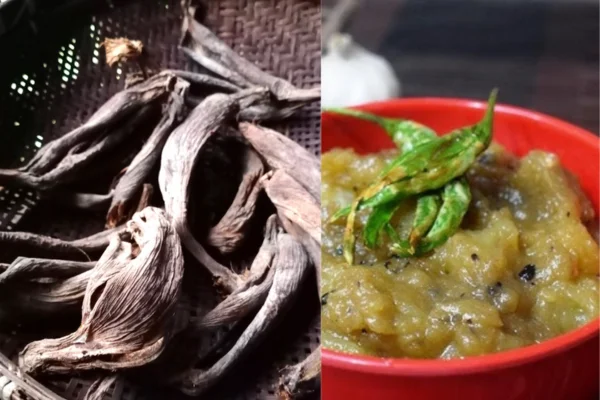
One of the most distinctive ingredients is the alkaline extract used in Khar, made from sun-dried banana peels. This gives Assamese cuisine its signature flavor, unlike anything found elsewhere in India.
Other key ingredients include bamboo shoots, mustard greens, herbs, and seasonal vegetables. Mustard oil is commonly used for cooking, adding a subtle pungency to dishes.
Fermented ingredients also play a role, though less prominently than in other Northeast states. The focus remains on freshness and natural taste rather than heavy seasoning.
Together, these ingredients create a cuisine that is light, nutritious, and deeply rooted in nature.
🍛 Signature Dishes
Assamese cuisine is defined by a handful of iconic dishes that perfectly represent its philosophy of simplicity and balance.
Khar
Khar is more than just a dish—it is the identity of Assamese cuisine. Made using an alkaline filtrate derived from banana peel ash, Khar is typically cooked with raw papaya, pulses, or vegetables. It is usually served at the beginning of a meal and is believed to aid digestion. Its earthy, slightly bitter taste is unique and deeply traditional.
Masor Tenga
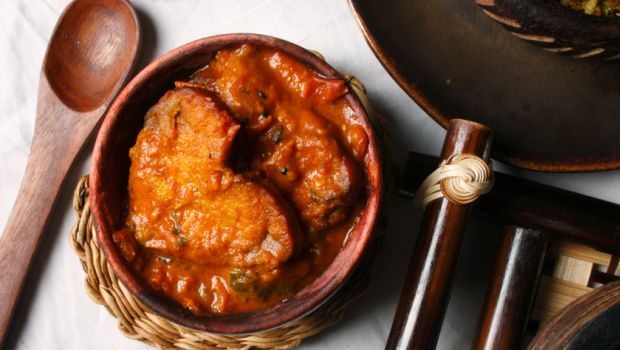
Masor Tenga is a light, tangy fish curry that is especially popular during the summer months. Made with tomatoes, lemon, or elephant apple, this dish offers a refreshing sourness that balances the richness of fish. It is a staple in Assamese households and represents the region’s love for clean, simple flavors.
Pitha
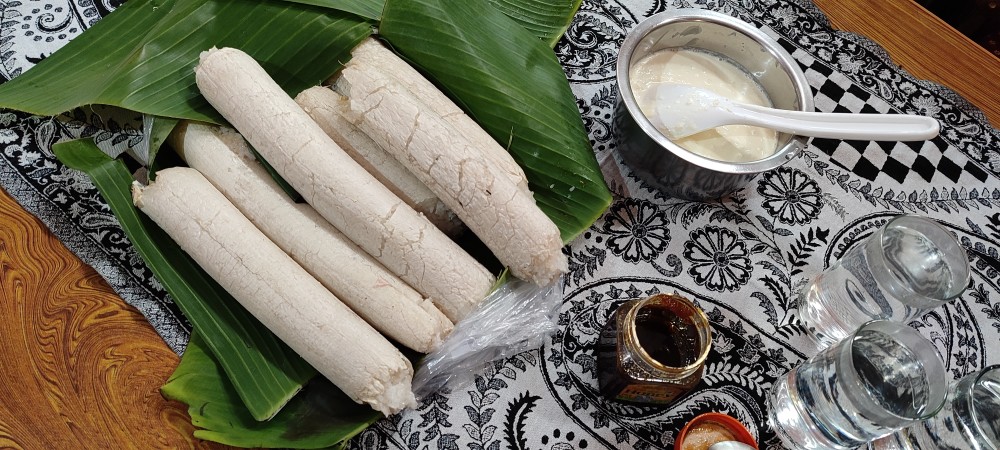
Pitha refers to a variety of rice cakes prepared during festivals like Bihu. These can be steamed, fried, or roasted and are often filled with coconut and jaggery. Pitha symbolizes celebration, harvest, and community bonding.
Duck Curry
Duck meat is considered a delicacy in Assam and is often cooked with ash gourd or sesame seeds. The dish is rich yet balanced, reflecting the Assamese approach to meat preparation.

Pitika
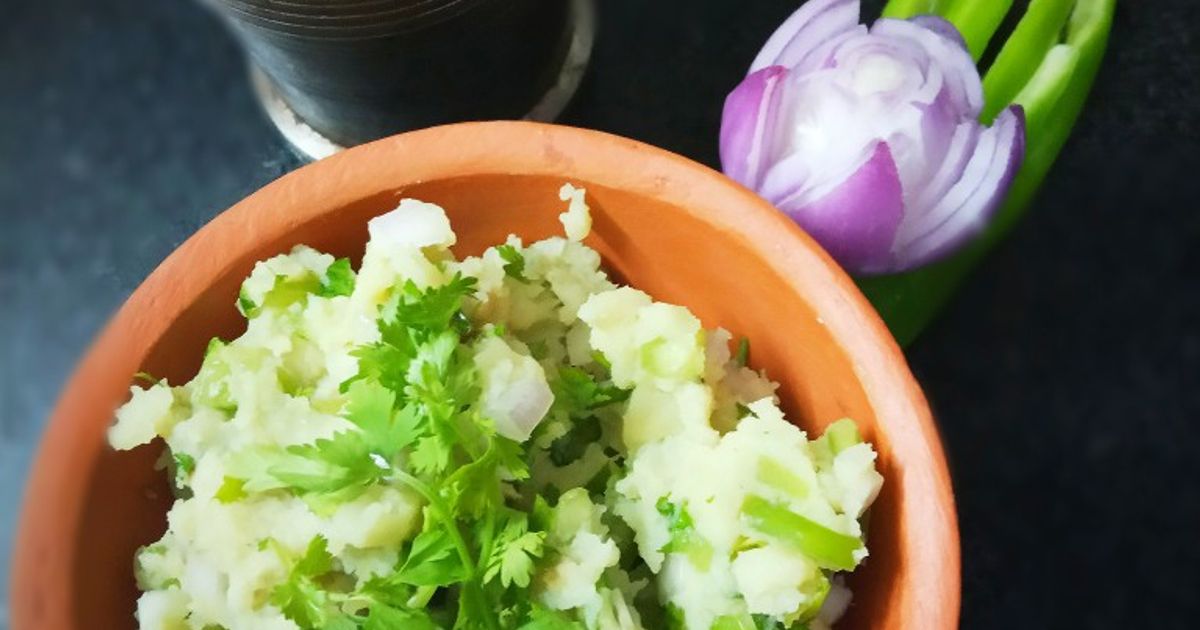
Pitika is a mashed dish made with boiled vegetables like potatoes or eggplant, mixed with mustard oil, onions, and green chilies. It is simple yet incredibly flavorful and is a staple side dish.
Each of these dishes reflects a deeper philosophy—food that nourishes the body while staying true to nature and tradition.



Post a comment